What installation actually involves
A fit starts before any drilling. First, an engineer surveys your home. They check wall access, work out where the outdoor unit can sit, and measure the room to size the system right.
A unit that’s too big cools fast but cycles on and off, wasting energy. One that’s too small will run nonstop and still struggle on a hot day.
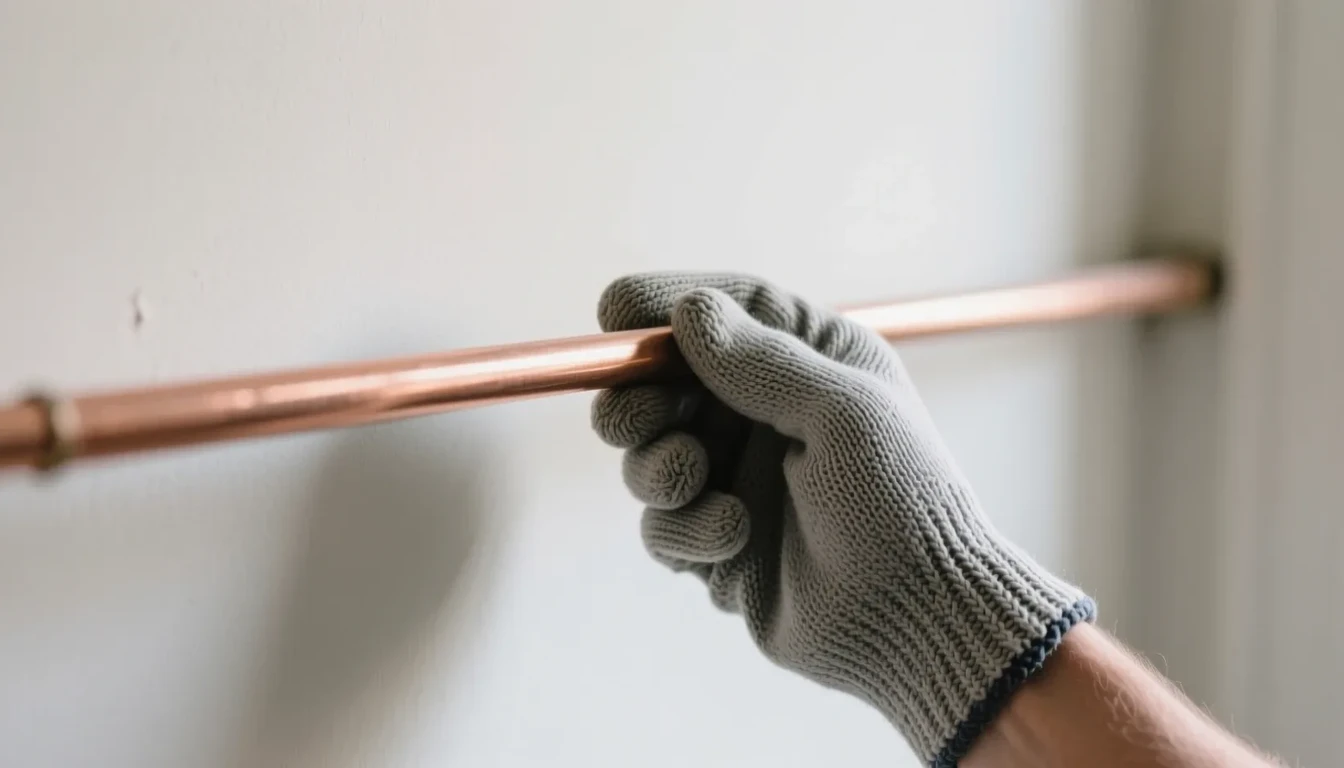
Next comes the fitting. The engineer mounts the indoor unit and runs pipework and cable to the outdoor unit, then connects both to the mains. After that, a vacuum pump draws air and moisture out of the pipes. That matters because any left behind cuts efficiency and can damage the compressor.
Finally, they charge the system with refrigerant and test it thoroughly before handing over. Refrigerant handling falls under F-Gas rules. Therefore, only a certified engineer may do this final stage, and it is never a DIY step. Before work starts, check the engineer’s certificate against air conditioning engineer qualifications.
Single split or multi-split?
A single-split system pairs one outdoor unit with one indoor unit, cooling a single room. It’s the simplest, cheapest option. For example, it usually suits a home office, a bedroom, or one room that overheats more than the rest of the house.
A multi-split system connects several indoor units, often in different rooms, to one larger outdoor unit. This suits a whole floor or a house where many rooms need cooling. Since it shares one outdoor unit, it can look tidier than fitting several single-split systems side by side.
Yet it mostly costs more upfront. A fault with the shared outdoor unit can also affect each connected room at once, so discuss that trade-off with your engineer.
Siting the outdoor unit and running the pipework
Where the outdoor unit sits matters more than most people expect. It needs clear airflow around it, so it can’t sit hard against a fence or in a cramped corner. It is also worth keeping it away from a bedroom window, since the fan makes a steady low hum.
Pipe runs should stay as short and as straight as possible. Each extra metre, and each bend, adds cost and can cut the system’s output slightly. As a result, installers usually put the outdoor unit on the same wall as the room it cools.
They rarely route pipes right around the building. If you are comparing air conditioning against a wider heating and cooling upgrade, see what HVAC means for how the two relate.
Planning matters here too. In England, permitted development under Part 14, Class G covers air source heat pumps on houses and blocks of flats. However, it does not cover a unit used solely for cooling.
Class G also excludes listed buildings, and an Article 4 direction can remove the rights in a set area. Check this before work starts, especially in an older home.
What moves the price
The real figure depends on a few things. For example, pipe run length is one: a short, simple run costs less than one that has to cross the building. Wall type matters too — solid stone or brick takes longer to drill through than modern block work.
Access is another factor. Similarly, a ground-floor room with easy outdoor-unit placement is quicker to fit than a top-floor flat needing scaffolding or a cherry picker. Finally, the system’s output and brand affect the unit cost itself.
Because so many variables are at play, a fixed nationwide price would always be misleading. That’s why a proper quote for your own home matters more than a headline figure.
What to ask before you book
Before agreeing to any quote, ask what’s really included. However, a price sometimes covers the unit and standard fitting only, leaving extra pipe runs, additional brackets or electrical work as add-ons. Ask about the pipe run length the price assumes. Then ask what happens if the survey finds it needs to be longer.
It’s also worth asking about aftercare: what a standard warranty covers, and whether annual servicing is included or charged separately. Since F-Gas rules apply to refrigerant work, ask to see the installer’s F-Gas certificate. A genuine installer will have no trouble showing it straight away. Our guide to what a good quote should include covers each of these questions in more depth.
Getting matched with an installer
We do not employ engineers ourselves, and we do not carry out installations. Instead, we pass your enquiry to one pre-qualified installer who already works in your area and handles this kind of job.
One enquiry puts you in touch with one pre-qualified installer for this job. It is free, with no obligation.
Coverage runs across Bristol home installs, Bath air conditioning installation and air conditioning installation in Swindon. It also reaches air conditioning installation in Cheltenham, new systems in Gloucester and Exeter home installs.
Further pages cover installing a system in Salisbury, Taunton air conditioning installation and home cooling installs around Plymouth. The list continues with air conditioning installation in Truro, fitting air conditioning in Bournemouth and our Poole installation page.
Our full service area page lists every town, including all of Cornwall and Dorset. Running a business rather than a home? Visit our commercial installation page for Bristol.
If your existing system has failed outright rather than never existed, our repair page covers diagnosis and the repair-versus-replace decision. Our cost guide sets out the full price breakdown, and how it works explains the process from enquiry to installer. Ready to start? Get in touch and we will put you in touch with one pre-qualified installer who can price your property.