Bristol’s housing stock is not one job
Bristol is a city and ceremonial county on the River Avon. Gloucestershire borders it to the north, while Somerset lies to the south. Its built-up area had 425,215 residents at the 2021 census, the largest of any city in the region.
The city’s homes span several centuries, often within a few streets. For example, Bristol’s population grew fivefold in the 19th century. That growth created suburbs such as Clifton and Cotham, with Georgian and Regency terraces and villas.
The city centre looks different again. After wartime damage, its rebuilding brought 1960s and 1970s towers and mid-century modern buildings. Meanwhile, Georgian squares such as Queen Square and Portland Square were later restored.
The wider urban area also reaches beyond the council boundary. Places such as Bradley Stoke, Stoke Gifford, Filton and Kingswood sit just outside it. Since wall type and age vary so widely, what suits one address rarely suits its neighbour.
What that means for fitting a system here
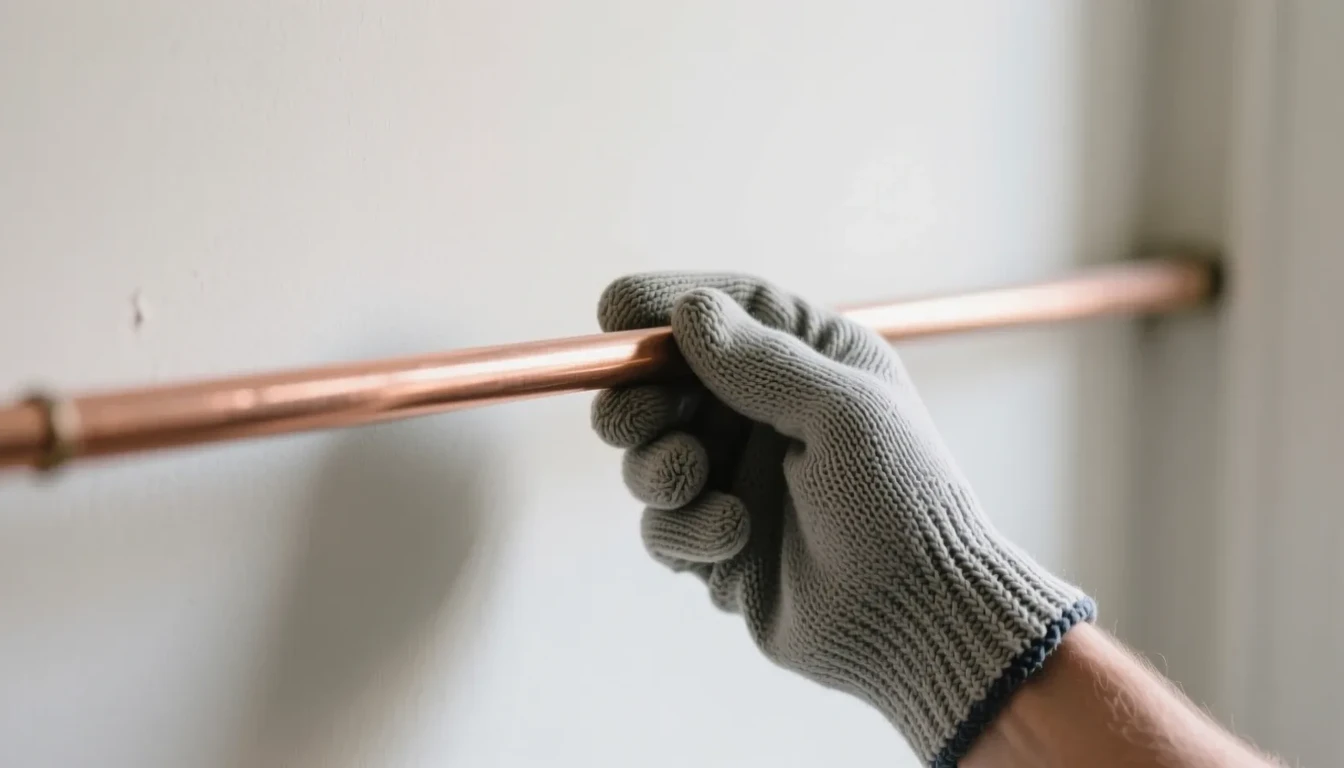
Wall construction shapes an installation more than almost anything else. In an older solid-wall terrace, pipework often runs along the outside of a back wall. There is no cavity to hide it inside, so this adds labour, though it does not change the unit itself.
Cavity walls are more common in newer homes. These usually make for a simpler, faster fit, since pipe runs pass through the wall more directly. However, siting the outdoor unit still needs thought either way.
A small courtyard behind a terrace limits where a condenser can sit. In contrast, a semi with garden space offers more choice. The installer will look at noise, drainage and access before settling on a spot.
Flats often sit under shared freehold or leasehold terms. These can limit where an outdoor unit goes, so it is worth asking a managing agent first. Our guide for flat owners covers what freeholder consent usually involves before you ask.
Conservation areas across the city
Bristol City Council lists 33 conservation areas. They include Clifton and Hotwells, Cotham and Redland, Bedminster, Kingsdown and Montpelier. Therefore an address in one of these areas may face stricter rules for outdoor equipment.
The city also has many listed buildings, from Georgian squares to historic churches. A listed property may need separate consent before any work starts.
What a Bristol installation tends to cost
A fitted single split system typically costs somewhere between roughly £1,500 and £3,000. That range is wide, because wall type, pipe run length and any extra wiring all move the final figure.
A flat with a short, simple run tends to sit nearer the lower end. Similarly, a larger home needing a longer run or extra wiring tends to sit nearer the top. Our cost guide sets out what moves the price in more detail.
Coverage across Bristol and beyond
Bristol sits at the centre of our coverage area. Cover also reaches out to home cooling installs around Bath, air conditioning installation in Gloucester and Swindon air conditioning installation.
A few districts on the edge of the city have their own pages. Pages for these include our Bradley Stoke installation page and installing a system in Stoke Gifford, for anyone whose address sits there.
Getting matched in Bristol
Send one enquiry and we match your address with one pre-qualified installer who works here. It costs nothing and commits you to nothing.
Whether the address is a Clifton conversion flat or a newer semi, one enquiry through the contact form is enough to start. Read more about how installation works first, if that helps.
Frequently asked questions
Do I need permission for an outdoor unit in a Bristol conservation area?
It depends on the street. Bristol City Council lists 33 conservation areas, including Clifton and Hotwells and Cotham and Redland. Check with the council before booking work in one of these areas. A listed building may need separate consent too.
Can a flat in central Bristol have air conditioning fitted?
Often yes. A leaseholder usually needs consent first from the freeholder or managing agent, since the outdoor unit sits on a shared building. Where the unit goes depends on the block, not the area generally. A ground-floor flat with its own outside wall tends to be simplest.
How far does cover reach beyond Bristol itself?
Bristol is at the centre of our coverage area. Cover extends to Bath, Gloucester, Swindon and the towns around them, not just the city boundary. An address just outside Bristol, such as Bradley Stoke, is still worth an enquiry.
Districts in Bristol
- Bedminster
- Southville
- St Pauls
- Easton
- Redland
- Clifton
- Bishopston
- Horfield
- Knowle
- Brislington
Planning check: Bristol
- CheckConservation areaMore often needs a planning application
- CheckListed buildingsCheck consent before any unit goes on the wall