Servicing across a city of many eras
Exeter is the county town of Devon, and it sits on the River Exe. The city has over 1,800 listed buildings, from medieval and Tudor fronts to Georgian terraces. Southernhay, for example, holds many fine Georgian buildings close to the cathedral. As a result, a service visit in the centre can look quite different from one in the suburbs.
Much of the city centre was rebuilt after the Second World War. During the Baedeker Blitz, roughly 40 acres of the city were destroyed. Consequently, post-war shops and offices now stand beside much older streets. A post-war block often gives an engineer easier access than a listed building nearby.
Suburbs that grew from old villages
Several suburbs began as villages outside the city walls. Heavitree, for instance, was once the first large village on the road to London. Today it is an eastern district of Exeter. Pinhoe, on the north-eastern edge, is now a suburb.
Countess Wear lies about two miles south-east of the centre, on the north bank of the Exe estuary. Meanwhile, St Thomas and Alphington sit west of the river. Both flooded when the Exe burst its banks in October 1960. New flood defences followed, and they took twelve years to finish.
These districts vary a great deal in age and layout. Therefore, it helps to describe your building when you enquire. A photo of the outdoor unit and its wall also saves time on the day.
What a service visit checks
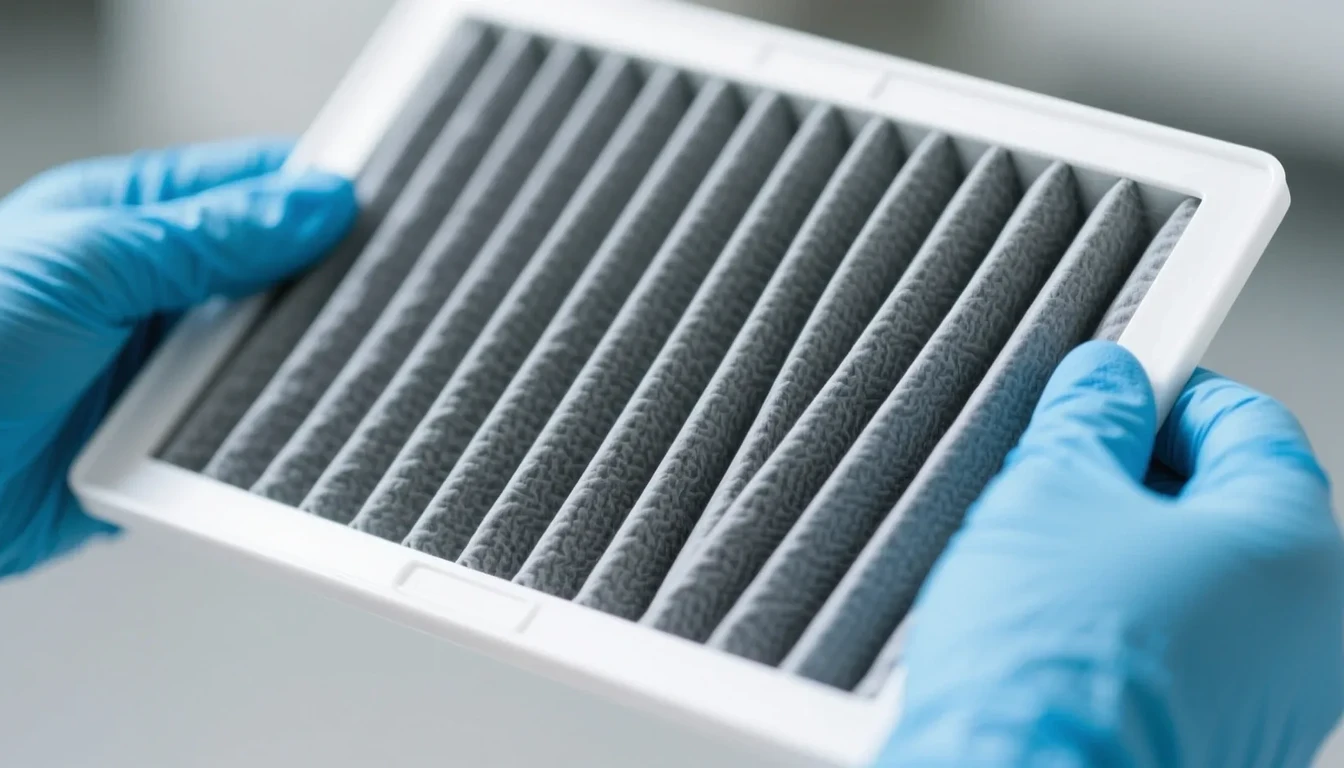
A routine service looks at the filters, both coils and the condensate drain. The engineer also checks refrigerant pressure and confirms the unit still cools as it should. Clogged filters are a common cause of weak airflow, so this simple step often helps most. Skip those checks for long and a small fault can grow, as our piece on missed servicing explains.
A blocked drain deserves early attention, especially behind an older wall. Water can back up slowly, with little warning, and stain plaster before anyone notices. Similarly, worn pipe insulation outside can make the system work harder than it needs to.
Refrigerant work must stay with an F-Gas certified engineer under UK rules. Ask to see their certificate before any gas work starts. This matters most on a system that has gone years without a check.
Larger sites and listed buildings
Exeter has two University of Exeter campuses, Streatham and St Luke’s. The city’s NHS hospital trust and the Met Office are also major employers. Large sites like these often run many units for long hours. In contrast, a home system usually runs for a few hours a day in summer.
A routine service leaves a building unchanged, although access to a listed property may need the owner’s agreement. If you plan to move or replace a unit on a listed building, check with Exeter City Council first. That step can save a costly change later. If you are unsure when the routine check is due, see when to book the next service.
Coverage and the related installation page
Exeter is about 79 miles by road from Bristol, around 100 minutes’ drive. Servicing cover also reaches Taunton and Plymouth, through routine servicing around Taunton and our Plymouth servicing page. Our installation page for Exeter covers fitting a new system. This page, in contrast, is about keeping an existing one running well.
Getting matched with a servicing specialist
Send one enquiry and we match your address with one pre-qualified installer who works here. It costs nothing and commits you to nothing.
It might be a Georgian flat in Southernhay, or a family home in Pinhoe. Either way, one enquiry through the contact form is enough to start. You can also read more about servicing and maintenance first.
Districts in Exeter
- St Thomas
- Heavitree
- Pinhoe
- Topsham
- Countess Wear
- Whipton
- Alphington
- Cowick
- Polsloe
- Newtown