Air conditioning is built mainly to cool a room, while a heat pump is built mainly to heat one. Both move heat the same way, using the same refrigerant technology. A reversible air conditioning unit is actually an air-to-air heat pump, since most models heat and cool. An air-to-water heat pump differs, because it heats radiators and hot water instead.
Two different jobs, one similar-looking box
Air conditioning and air source heat pumps often look alike. Both use a unit fixed outside, piped to something indoors. But the two usually solve different problems. Air conditioning exists mainly to cool a room, while a heat pump exists mainly to heat one.
Both use refrigerant and a compressor to move heat rather than make it. That shared idea explains why people often mix the two up. In fact, GOV.UK calls a reversible unit an air-to-air heat pump.
Still, the main goal changes how a system gets sized, fitted and used. If the wider category of equipment is unfamiliar, our HVAC explainer sets out where heating, ventilation and cooling each sit within it.
What a reversible unit actually does
According to GOV.UK, most air-to-air heat pumps can both heat and cool. In summer, the unit takes heat from inside the house and moves it outside. As a result, the room cools down. In winter, it runs the other way, drawing heat from the outside air.
Indoors, the heat comes out through one or more fan units, or through ducts, rather than radiators. So it warms the rooms those units serve. However, air-to-air heat pumps do not usually provide hot water for taps or showers. A home using one still needs a separate hot water system.
Where an air-to-water heat pump differs
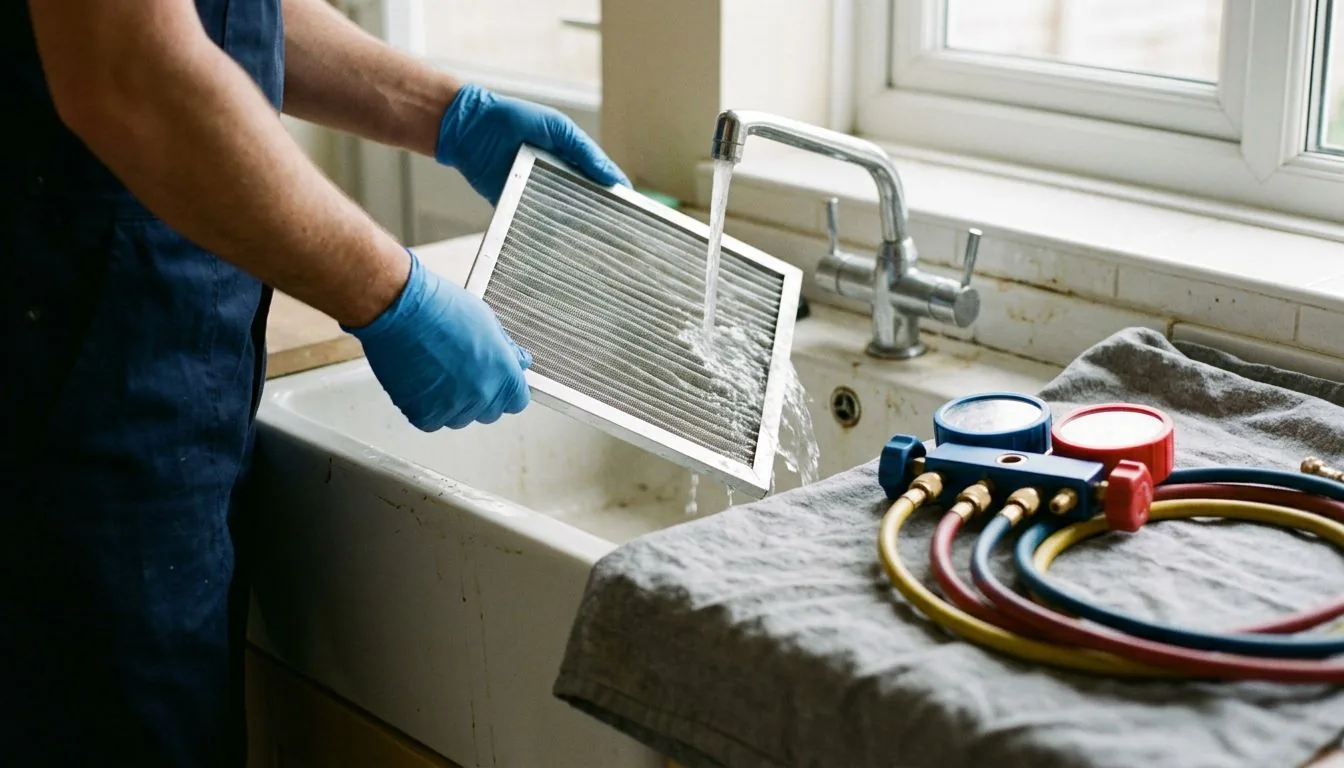
An air-to-water heat pump takes the same idea further. It moves heat from the outside air into water. That water then runs through radiators or underfloor heating across the house. Because it moves heat rather than making it, the innovation charity Nesta puts its efficiency at 300% or more.
It usually comes with a hot water cylinder for taps and showers too. Because of that, it can replace a boiler for both heating and hot water. A large part of the fitting cost can go on upgrading radiators, adding a hot water tank and replacing pipework.
By contrast, a reversible air conditioning unit connects to little beyond itself and a small indoor unit or two. It suits a specific problem, such as a home office that overheats in summer. Neither system beats the other outright; they simply serve different scales of job.
Outdoor space and noise
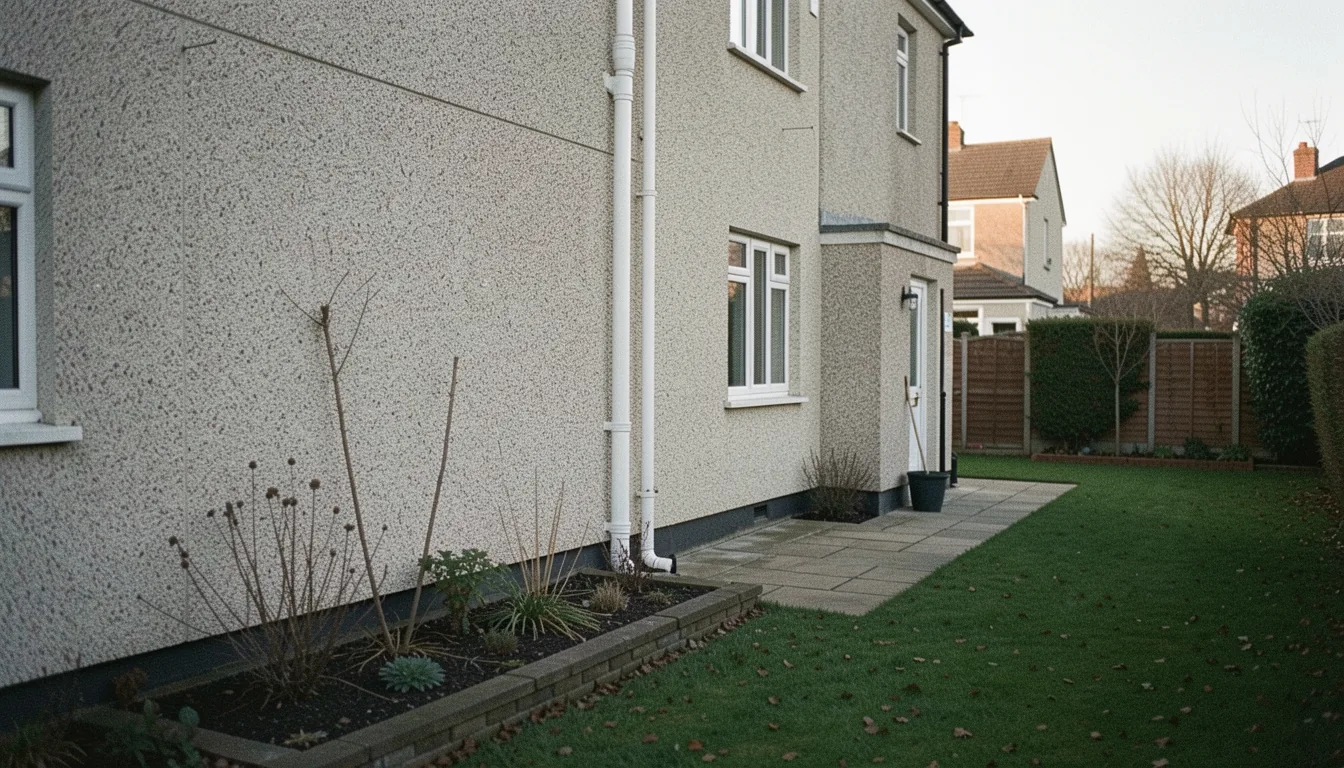
Both need some outdoor space for the outside unit. GOV.UK gives typical sizes for an air-to-air outdoor unit. It is usually 0.8 to 1.0 metres wide, 0.5 to 0.8 metres high and 0.3 to 0.4 metres deep.
It also needs clear space around it for airflow, roughly 1.5 by 3 metres. In operation, GOV.UK puts typical noise at 40 to 60 decibels. That is similar to a dishwasher or a fridge, although siting still matters.
Anyone short on garden or side-return space should weigh that up early. Therefore, ask the installer at survey where the outdoor unit would go. The same layout question comes up with fitting air conditioning in Barnstaple, where older central homes can have little outside space.
Which one suits a typical UK home
For most homes, the right answer depends on the actual problem. A household bothered by a hot loft conversion, for example, usually needs a small air conditioning unit. That job is smaller and more contained than a whole-house heating project. The same small-job logic applies to home cooling installs around Newton Abbot.
A household replacing an old gas boiler, by contrast, is looking at a heating and hot water project, not a cooling add-on. That is a bigger choice covering the whole system, not just one room. It pays to be clear which one you need before asking for a quote.
Costs vary with property size, unit type, and how hard the fitting is. A single fitted split air conditioning system typically costs around £1,500 to £3,000. The exact figure always depends on the specific job. The same range applies to air conditioning installation in Portishead, where survey and fitting steps follow the same pattern.
Planning rules: what changes the answer
In England, permitted development can cover an air source heat pump on a home. That falls under Part 14, Class G, subject to size and siting limits. For instance, the outdoor unit on a house can be up to 1.5 cubic metres, and a detached house can have two. Since 29 May 2025, Class G has required that the heat pump is not used solely for cooling.
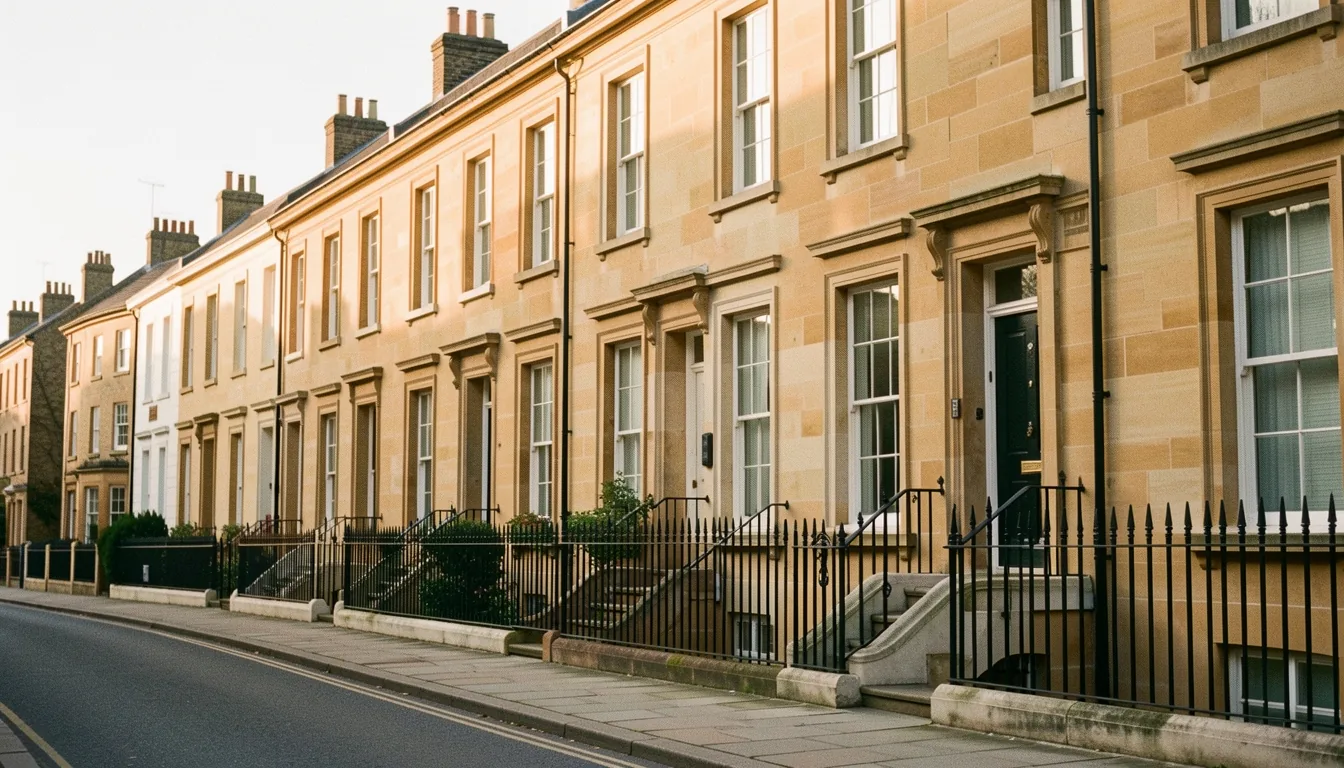
As a result, a reversible unit can qualify, while a cooling-only unit needs a planning application. Class G does not apply to listed buildings. Meanwhile, a conservation area adds siting limits, and an Article 4 direction can remove permitted development rights altogether.
None of this makes either option impossible. It simply means the paperwork question sits alongside the technical one. Answer both before choosing a unit or booking an installer.
Get matched with the right installer
Whichever technology suits your home, describe the problem through our contact page. We will pass the details to someone qualified to advise: get in touch.
Our installation page covers what a typical fitting involves, from survey to switch-on, including Swindon air conditioning installation.
One enquiry puts you in touch with one pre-qualified installer for this job. It is free, with no obligation.
Meanwhile, if a whole-house heat pump project is closer to what your home needs, the same enquiry route applies. Describe the property, the current heating setup, and what you are hoping to change, and we will pass those details on. Still weighing up whether cooling is worth having at all? Our look at the pros and cons for UK homes covers that question directly.